
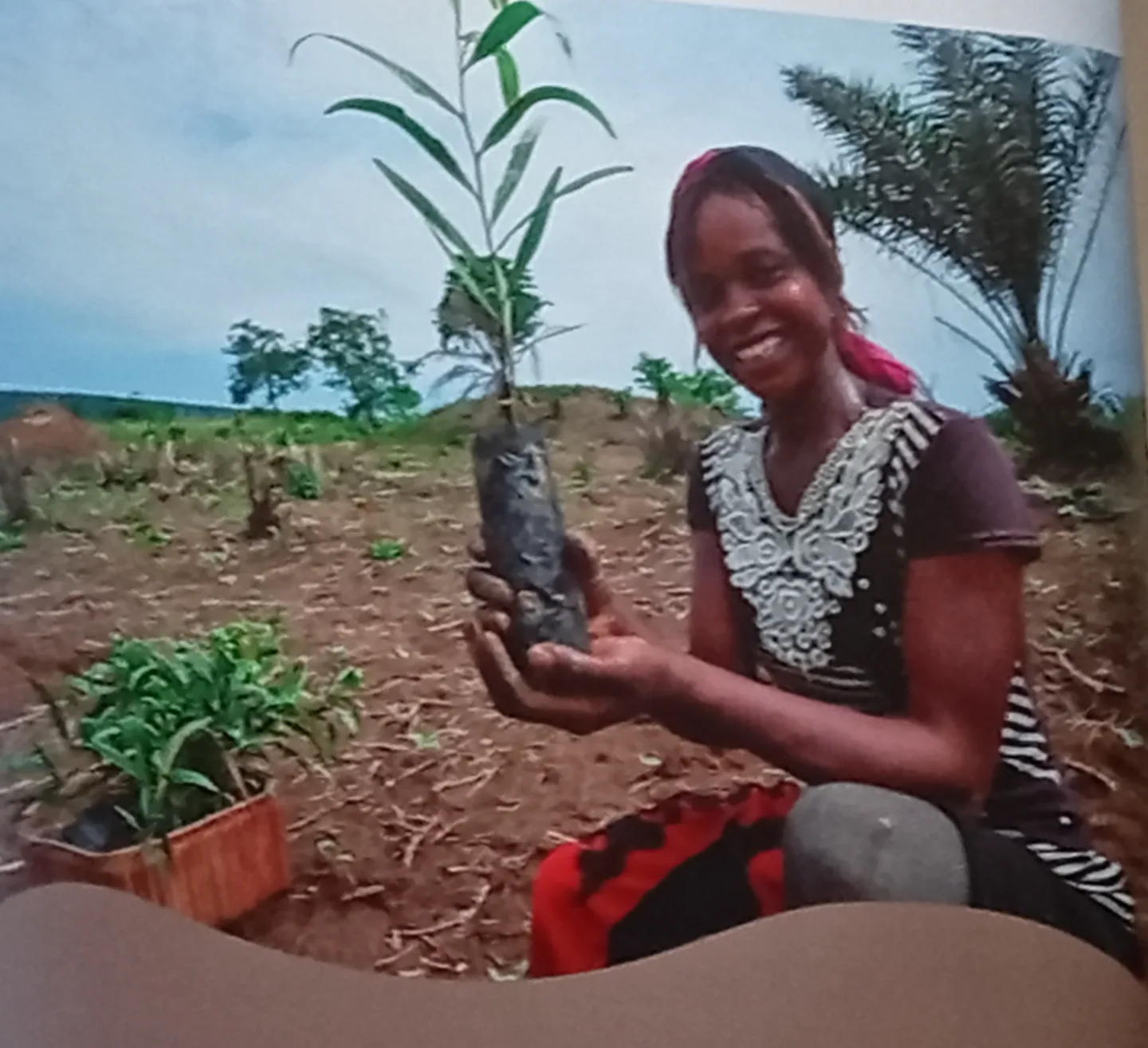
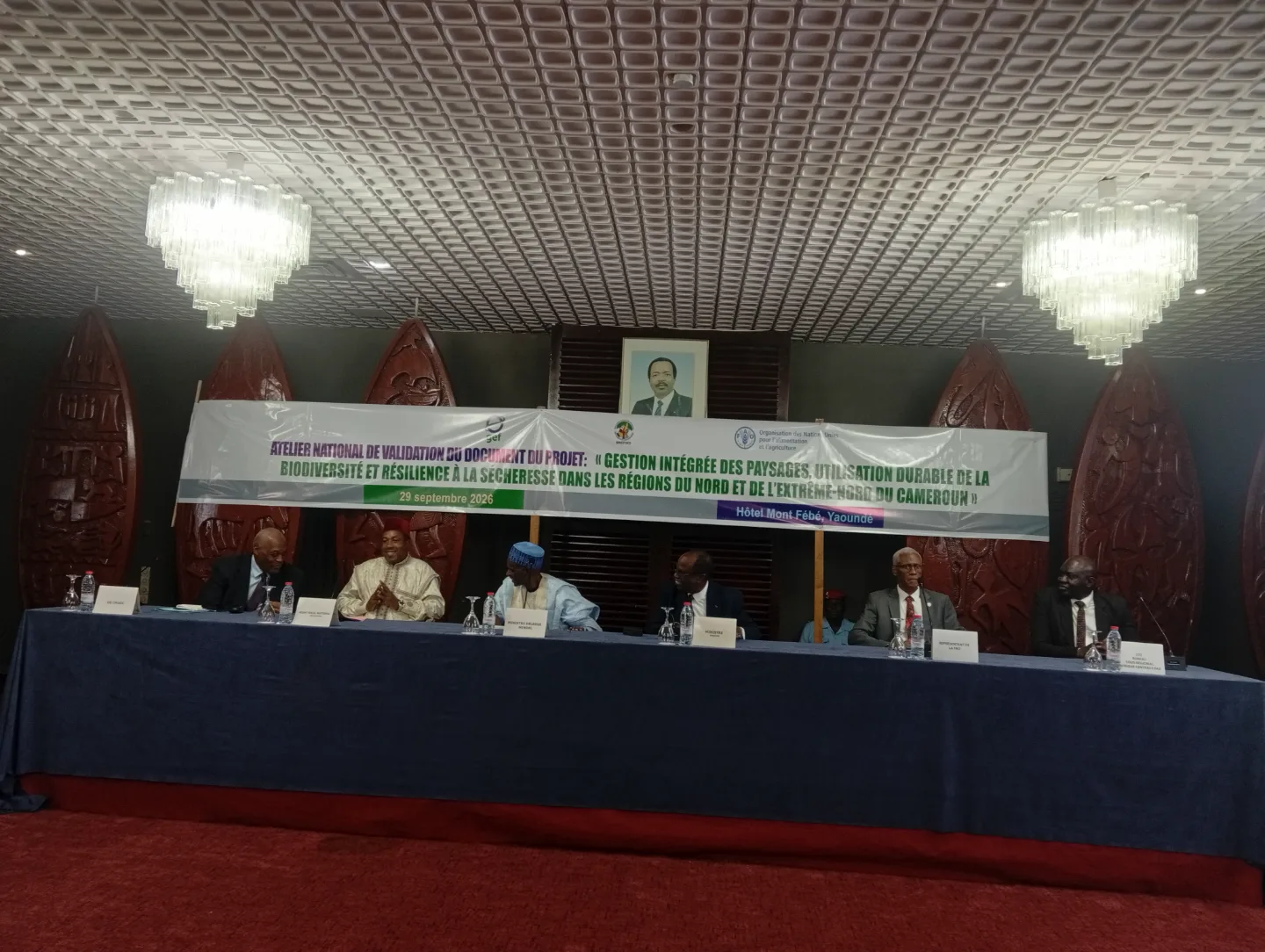
Yaoundé, September 29, 2026 — The Northern and Far Northern regions of Cameroon face severe environmental challenges, exacerbated by climate change, recurrent droughts, floods, and a heavy reliance on subsistence agriculture and livestock farming. To curb this heightened vulnerability and safeguard biodiversity, a crucial validation workshop was held to review and adopt the final project document for "Integrated Landscape Management, Sustainable Use of Biodiversity, and Drought Resilience in the Northern and Far Northern Regions of Cameroon".
A Strategic Partnership for Sustainable Ecosystems
Speaking at the gathering, Dr. Antonio Luís Évora Ferreira Querido, FAO Representative in Cameroon, expressed deep gratitude to the Government of the Republic of Cameroon—most notably His Excellency Pierre Hélé, Minister of the Environment, Nature Protection and Sustainable Development (MINEPDED)—for the renewed trust placed in the organization. He also praised the decisive financial backing of the Global Environment Facility (GEF), as well as its ongoing support in the fight against climate change.
Dr. Querido noted that the economy in these regions remains fragile and that escalating land degradation and biodiversity loss threaten not only agricultural and pastoral productivity, but also the stability of the landscapes upon which local populations depend.
Government Commitment and Key Quantitative Targets
Minister Pierre Hélé underscored the importance of the project, which aligns directly with global frameworks such as the UN Decade on Ecosystem Restoration, the AFR100 initiative, and the Kunming-Montreal Global Biodiversity Framework.
Backed by a core GEF grant of $3 million, bolstered by co-financing that brings the total budget to over $13 million, the project will roll out concrete actions at the community level. Key targeted objectives include:
Restoring 8,000 hectares of degraded lands and landscapes.
Placing 11,933 hectares of agricultural land and pastures under improved, drought-resilient practices.
Mitigating 1,020,000 tonnes of CO2.
Reaching at least 8,150 direct beneficiaries, of whom at least 50% are women.
An Inclusive Approach Driven by Local Actors
Mrs. Wadou Angèle, Project Manager, National Project Director, and Sub-Director of Biodiversity and Biosafety at MINEPDED, shed light on the socio-economic strategy of the intervention. She specified that the initiative aims to sustainably improve local living standards by developing specific value chains, particularly around bamboo and non-timber forest products.
She further emphasized the strategic choice to target the Northern and Far Northern regions, which account for at least 8 million hectares of degraded lands. This endeavor will allow Cameroon to make tangible progress toward its AFR100 pledge of restoring at least 12 million hectares of landscapes by 2030.
Next Steps
This validation workshop marks a critical milestone in securing sectoral and collective ownership, gathering final technical feedback from stakeholders, and consolidating commitments from all partners. The finalized document will then be submitted to the GEF Secretariat for official rollout and joint implementation by national authorities, MINEPDED, the FAO, and local communities across the six target communes.
💬 Commentaires
Ajouter un commentaire